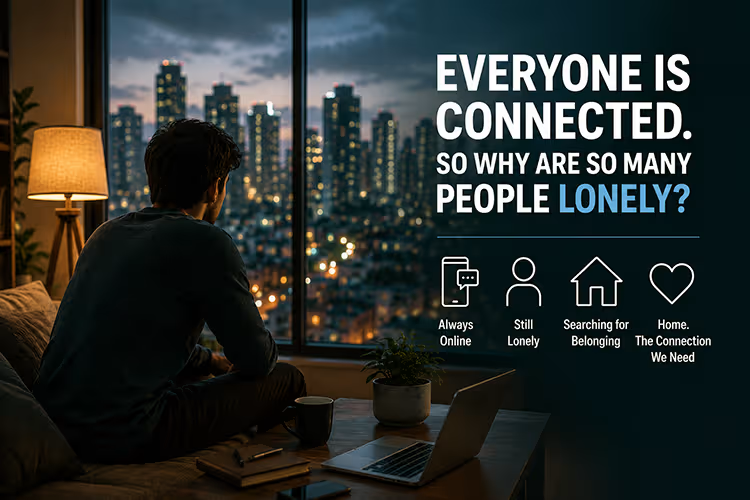
A few weeks ago, I was sitting in a cafe in Gurgaon when I overheard a conversation between two young professionals. One of them had recently moved from another city for work. He had a good job, a decent apartment, and what most people would call a successful life. Yet, in the middle of the conversation, he said something that stood out:
“I talk to people all day, but I still feel lonely.”
Why Loneliness Exists in Crowded Cities
At first, it sounds strange. How can someone feel lonely in a city full of people?
Cities like Delhi, Noida, Gurgaon, and Ghaziabad are constantly busy. Offices are packed, cafés are crowded, and social media keeps everyone connected. Yet loneliness has quietly become one of the biggest challenges of modern urban life.
Loneliness doesn’t always mean being physically alone.
- Talking to people all day but having nobody to call during difficult times.
- Spending weekends scrolling through social media because friends live elsewhere.
- Living in a large apartment complex without knowing a single neighbour.
- Feeling disconnected despite being surrounded by people.
The Reality of Moving to a New City
Many young professionals experience loneliness after relocating for work. The first few weeks are exciting:
- New office environment
- New colleagues
- New places to explore
- A fresh sense of independence
However, once the excitement fades, reality begins to set in.
Work becomes routine, weekdays become busy, and weekends suddenly feel much longer.
This is when many people realize that building a career and building a life are two very different things.
Career Success Doesn’t Guarantee Connection
A job offer can bring someone to a new city, but it cannot automatically provide:
- Meaningful friendships
- Community support
- Familiar surroundings
- A sense of belonging
These things take time to develop, often much longer than people expect.
Modern convenience has solved many problems, but it hasn’t solved loneliness.
Food delivery apps, online shopping, virtual meetings, and instant communication make life easier. Yet genuine human connection still requires effort, patience, and real interaction.
The Growing Need for Community
As awareness of loneliness increases, more people are actively investing in their personal lives outside work.
Many are:
- Joining hobby groups
- Attending fitness classes
- Exploring local communities
- Reconnecting with old friends
- Participating in social events
The reason is simple: everyone wants to feel that they belong somewhere.
The Hidden Impact of Living Spaces
One factor often overlooked in discussions about loneliness is the role of the home environment. Consider where most people spend their time after work:
- Relaxing after a stressful day
- Talking with family on video calls
- Watching entertainment
- Hosting friends and guests
- Spending weekends indoors
The space we live in has a significant impact on our emotional well-being.
An unfinished, uncomfortable, or poorly organized home can increase daily stress. A welcoming and functional living space can help create comfort and stability.
Comfort Matters More Than Luxury
Most people are not searching for luxury. They are searching for comfort. They want:
- A place to relax
- A place to recharge
- A place that feels personal
- A place they enjoy spending time in
These simple factors can make a city feel less overwhelming and more familiar.
The Rise of Flexible Living Solutions
Over the past few years, people have become more intentional about creating comfortable homes. This shift is not about impressing others. It is about improving quality of life. For professionals who frequently relocate between cities or apartments, flexibility has become just as important as comfort. Many people now choose solutions that allow them to create functional homes without unnecessary commitments.
Options may include:
- Purchasing furniture
- Borrowing essentials
- Using furniture rental services
- Choosing flexible furnishing solutions
The goal remains the same: creating a space that supports everyday life.
Home as a Source of Belonging
Loneliness is not always solved by simply being around more people. Sometimes it is eased by having a place that feels familiar.
A place where you can:
- Relax comfortably
- Invite friends without hesitation
- Recharge after a busy day
- Feel settled despite life’s constant changes
As cities continue to grow and careers continue to evolve, one truth remains unchanged.
Everyone needs a place that feels like home.
Creating a comfortable living space is not just about furniture or interior design. It is about creating a sense of belonging in a world that often moves too fast.
Conclusion
Urban loneliness is becoming increasingly common among young professionals. While technology and convenience have transformed modern life, meaningful connections and a sense of belonging still require intentional effort. Whether through community involvement, friendships, or creating a comfortable home environment, small changes can make a significant difference. In the end, a place that feels like home remains one of the most powerful tools for improving well-being and navigating the challenges of city life.