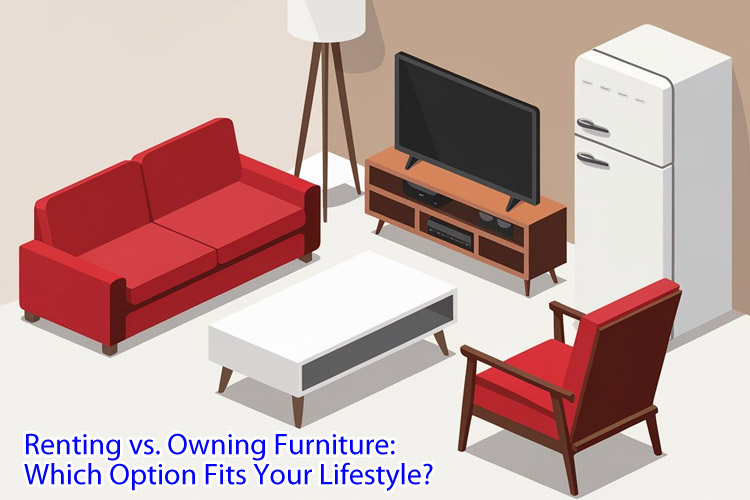
Renting vs. Owning Furniture: Which Option Fits Your Lifestyle?
In the realm of interior design, one debate continues to divide homeowners and renters alike: Should you rent or own furniture? This decision has a profound impact on the aesthetics, functionality, and financial planning of your living space. Both options offer distinct advantages and challenges, making it essential to evaluate your needs, preferences, and lifestyle before making a choice. In this blog, we’ll explore the pros and cons of renting and owning furniture to help you determine the best fit for your home.
Renting Furniture: A Flexible Solution for Modern Living
The Benefits of Renting
Renting furniture is increasingly popular among those who value flexibility and convenience. This option is particularly appealing to individuals with dynamic lifestyles—people who move frequently or enjoy redecorating their space. Renting allows you to switch out furniture pieces as trends evolve or as your personal preferences change.
For instance, if you find a sofa that fits your current aesthetic but later decide to transition to a minimalist design, renting gives you the freedom to make that change seamlessly. Unlike owning, where selling or discarding old furniture can be a hassle, renting enables you to refresh your interiors effortlessly.
Another notable advantage is the cost-effectiveness of renting in the short term. By paying a manageable monthly fee, you gain access to premium-quality furniture without the need for a significant upfront investment. This affordability is particularly beneficial for students, young professionals, or anyone setting up a temporary living arrangement.
Ideal Scenarios for Renting Furniture
- Temporary relocations for work or education
- Frequent moves due to a nomadic lifestyle
- Testing furniture styles before committing to ownership
- Short-term interior makeovers
Drawbacks of Renting Furniture
While renting is highly flexible, it does have its limitations. Over an extended period, the total cost of rental payments may exceed the price of owning furniture outright. This makes renting a less economical choice in the long term for those who plan to stay in one place.
Additionally, rental agreements often restrict personalization. Want to repaint your rented desk or add custom upholstery to a rented chair? These creative modifications might not be allowed, limiting your ability to create a space that truly feels like your own.
Owning Furniture: A Long-Term Investment in Style and Stability
The Perks of Ownership
Owning furniture allows you to craft a living space that reflects your personality and taste. By selecting pieces that resonate with your style, you create a sense of permanence and ownership. This is especially valuable for individuals who take pride in curating a unique and cohesive interior.
From an economic standpoint, purchasing furniture can be more cost-effective over time. Unlike renting, where monthly fees are perpetual, owning furniture involves a one-time (or financed) investment. Over the years, this often proves more economical than continuous rental payments.
Additionally, ownership offers stability. Your furniture is yours to keep, whether you decide to stay in your current home or move to a new one. This sense of security is comforting for many, particularly families or individuals planning to settle in a particular location for an extended period.
Ideal Scenarios for Owning Furniture
- Long-term residency in a home
- Desire for a fully personalized and customized space
- Willingness to invest in high-quality, durable pieces
- Commitment to maintaining and caring for furniture
Challenges of Owning Furniture
Despite its advantages, owning furniture comes with its share of responsibilities. One of the primary concerns is the upfront cost. High-quality furniture often requires a substantial investment, which can strain budgets for those just starting out or facing financial constraints.
Maintenance is another key consideration. Unlike rented furniture, which typically comes with repair or replacement coverage, owned pieces require the owner to bear the cost of repairs and upkeep. Additionally, furniture is subject to wear and tear, and replacing or upgrading pieces can be expensive over time.
Finally, owning furniture can pose challenges for individuals who relocate frequently. Transporting furniture across cities or countries can be costly and logistically complex, making ownership less practical for nomads or expatriates.
Renting vs. Owning: A Side-by-Side Comparison
| Aspect | Renting | Owning |
|---|---|---|
| Flexibility | High – Switch out pieces easily | Low – Permanent, requires commitment |
| Cost | Affordable short-term, costly long-term | High upfront, economical over time |
| Personalization | Limited by rental agreements | Unlimited customization |
| Maintenance | Covered by rental provider | Owner bears maintenance responsibility |
| Ideal For | Temporary setups, frequent movers | Long-term residents, personalization lovers |
How to Decide: Key Factors to Consider
The choice between renting and owning furniture ultimately depends on your lifestyle, goals, and preferences. Here are a few key factors to evaluate before making your decision:
- Duration of Stay
If you plan to stay in one place for a significant period, owning furniture may be the better choice. However, for temporary arrangements, renting provides the flexibility to adapt as needed. - Budget and Financial Goals
Renting is a cost-effective way to furnish a space without a large upfront investment. On the other hand, ownership may offer better value for money in the long run. Consider your financial priorities and cash flow when making your decision. - Design Preferences
If creating a personalized, one-of-a-kind space is important to you, owning furniture gives you the freedom to experiment with colors, textures, and modifications. Renting, while flexible, might limit such creative freedom. - Lifestyle and Mobility
For those with dynamic lifestyles involving frequent relocations or evolving tastes, renting is a practical and hassle-free option. Conversely, individuals with stable living situations may find ownership more fulfilling.
Blending the Two: A Balanced Approach
Who says you have to choose just one? Many homeowners and renters find success in combining both options. For instance, you might own timeless, essential pieces such as a bed or dining table while renting accent pieces like sofas, chairs, or décor items that can be updated periodically.
This hybrid approach allows you to enjoy the best of both worlds: the permanence and personalization of ownership alongside the flexibility and adaptability of renting.
Conclusion: Which Path Will You Take?
The decision between renting and owning furniture is not a one-size-fits-all answer. It depends on your unique circumstances, priorities, and aspirations for your living space. Renting offers unmatched flexibility and short-term affordability, making it ideal for those who value adaptability. On the other hand, owning furniture provides a lasting investment and creative freedom that resonates with individuals seeking stability and personal expression.
Ultimately, both renting and owning have their merits, and the right choice will depend on how you balance the transient with the permanent, the practical with the aspirational.
So, where do you stand? Are you drawn to the ever-changing appeal of rented furniture or the enduring charm of owned pieces? Whatever you choose, the goal is to create a space that truly feels like home.
Let us know your thoughts in the comments below—we’d love to hear your perspective!